

AI-enabled workflows & prototyping

Overview
Problem: Customer support tickets had increased by 15% year over year, driving higher support costs and exposing gaps in software quality, while fragmented release data and siloed workflows prevented teams from detecting failure signals early enough to address issues before they reached customers.
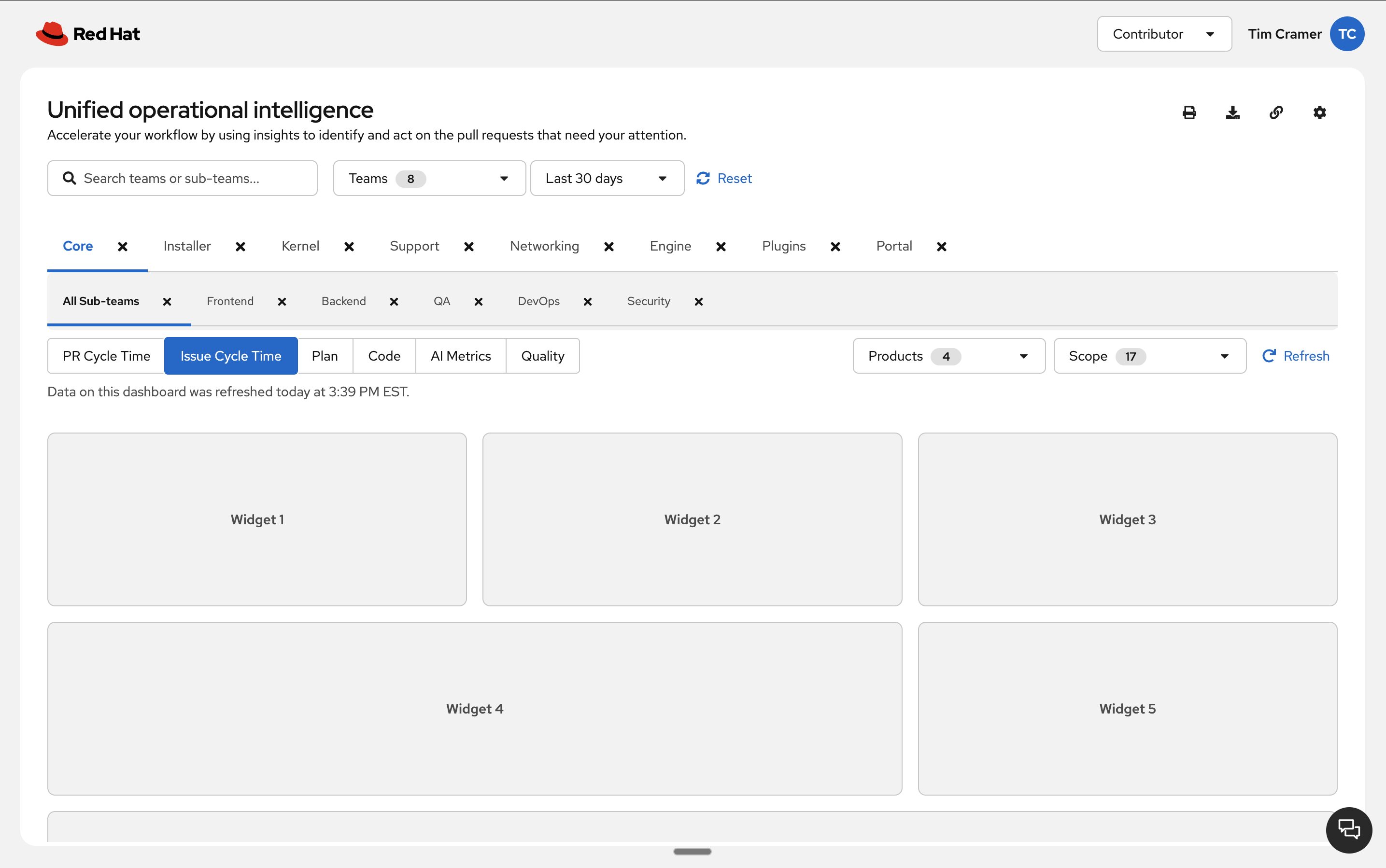
Solution: A unified operational intelligence product that connected signals across products, tools, and Software Development Lifecycle (SDLC) workflows, applied AI-enabled predictive failure analysis to identify emerging risk, and translated that intelligence into a focused pre-release experience showing teams what required attention, why it mattered, and where to act before customer impact.
My Role & Impact: Defined and led the end-to-end experience strategy, translating business objectives, release-risk signals, and role-specific needs into a scalable product model; aligning product, engineering, contributors, team leads, and senior leadership around critical decisions; and using AI-enabled rapid prototyping and agentic workflow orchestration to validate product behavior, integrations, and the path to adoption.
- Established a shared operational intelligence capability across OpenShift, RHEL, Ansible, Lightspeed, and Edge.
- Scaled adoption from 25 pilot teams to 100 teams by Q2 2025.
- Improved how teams identified, prioritized, and resolved release risks before customer impact.
- Created greater consistency in software quality and pre-release decision-making across core products.
- Contributed to reducing support-ticket volume and the operational costs associated with downstream product failures.
UX Process
Strategy
I approached this challenge through systems thinking and AI adoption, exploring how AI-enabled experiences, agents, and optimization models could help teams solve complex operational problems with more clarity and intelligence.
I mapped the ecosystem around the release process to understand who was involved, what decisions they were making, what tools they relied on, and where context was getting lost.
Discovery
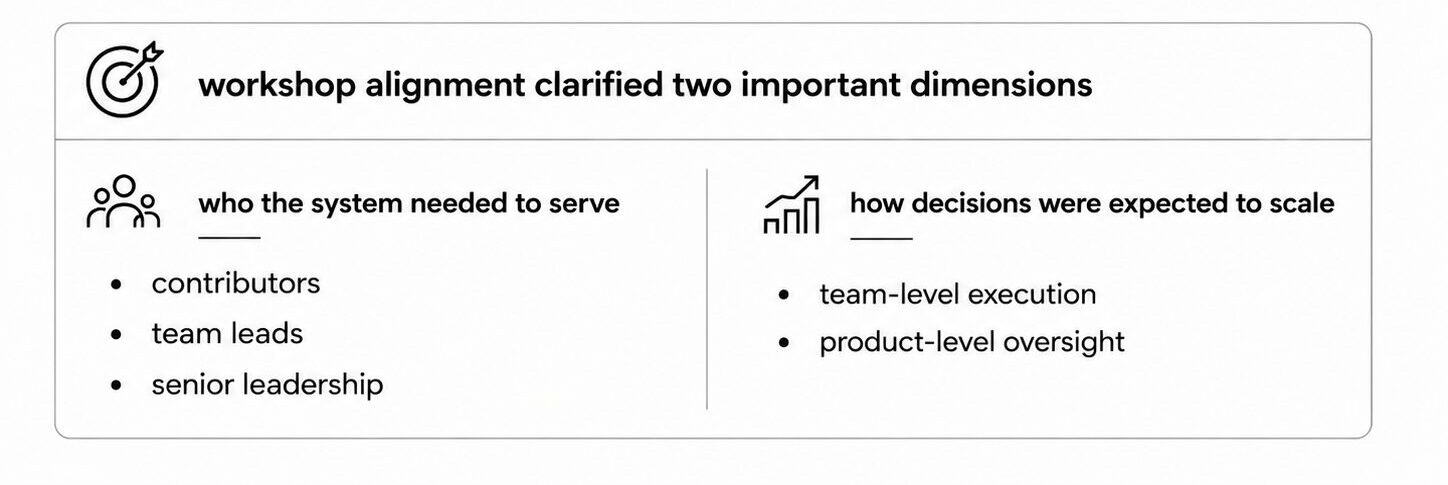
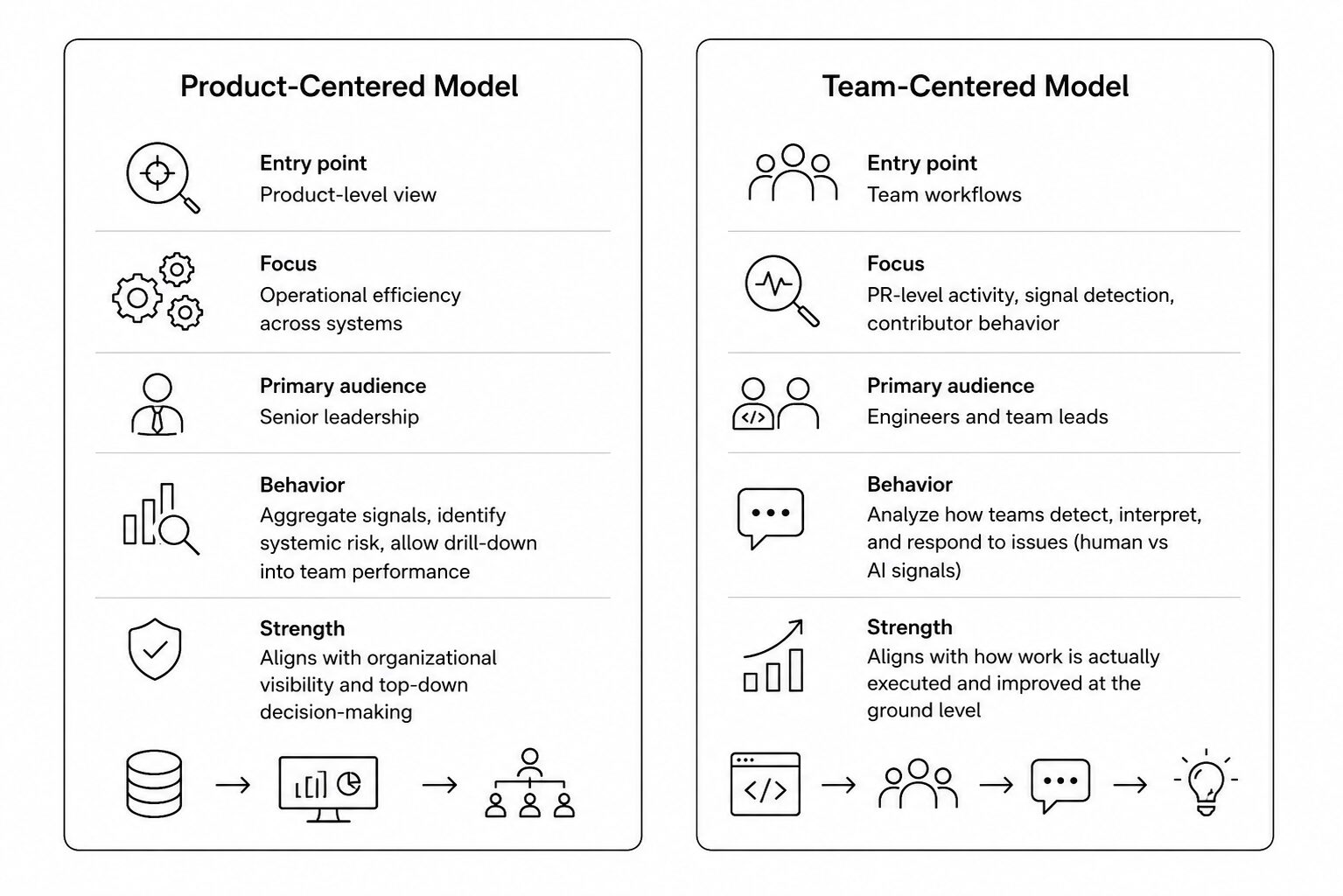
The workshop alignment clarified two important dimensions: who the system needed to serve (contributors, team leads, senior leadership) and how decisions were expected to scale (team-level execution vs product-level oversight). This systems view helped create alignment across product, engineering, and leadership before moving into solution design.
Experience delivery Models
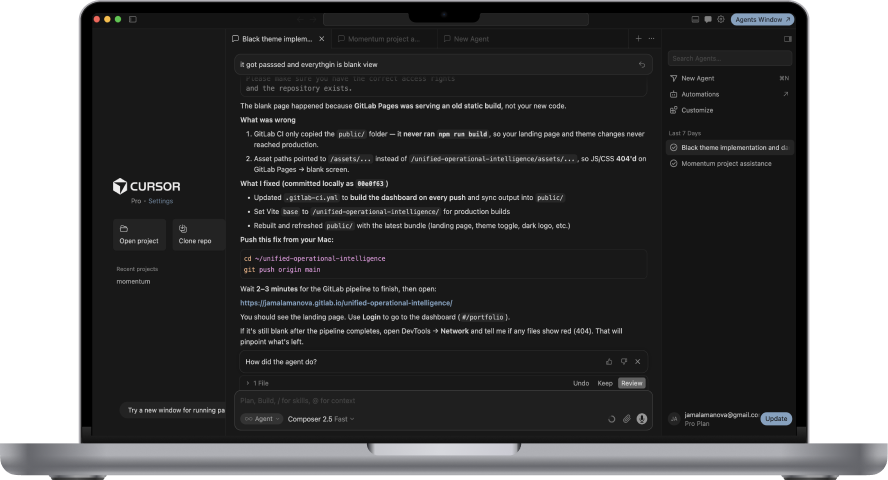
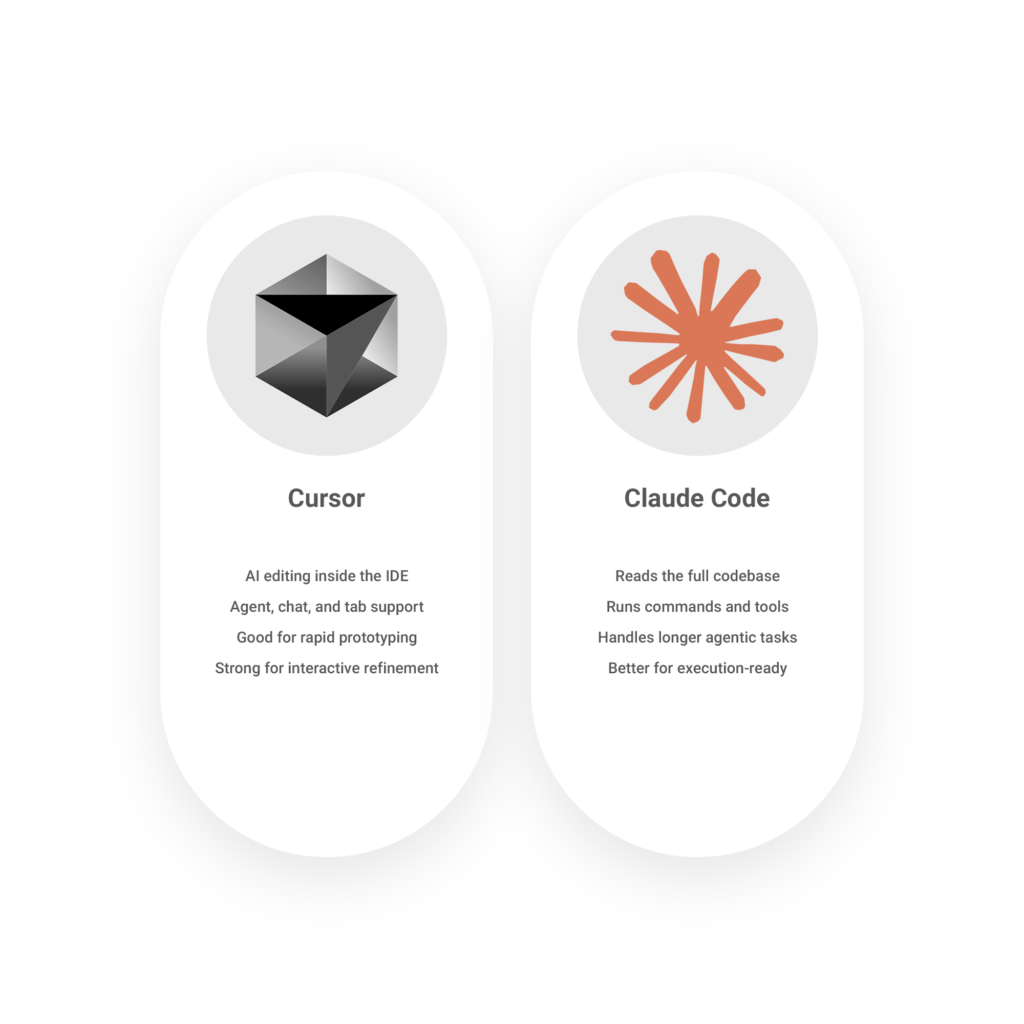
To move the work out of abstraction, I used rapid prototyping to make the experience visible, testable, and easier to challenge. I explored early concepts with Claude Code, shifted into Cursor to accelerate visual iteration, and later aligned back to Claude Code to support engineering consistency and reusable UI patterns.
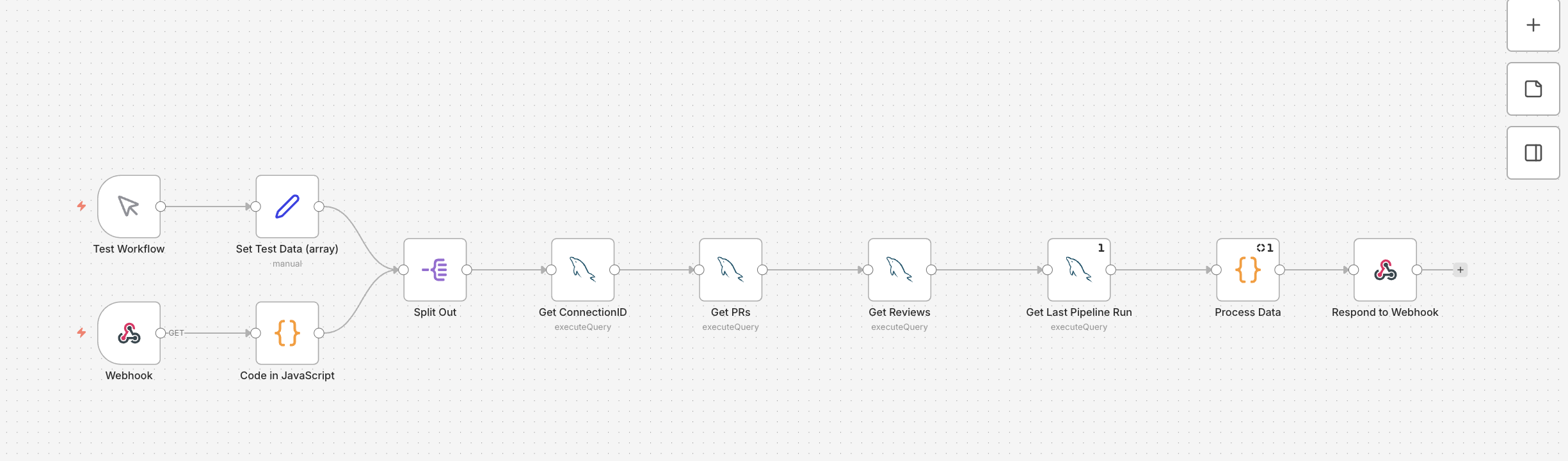
I also connected prototype logic through MCP servers and an n8n agentic automation flow to simulate more realistic operational conditions. This helped the team evaluate how AI-enabled workflows could surface risk, connect signals, and support action before release.
The prototype became more than a visual artifact. It became a working conversation tool that helped teams understand what the experience could become.
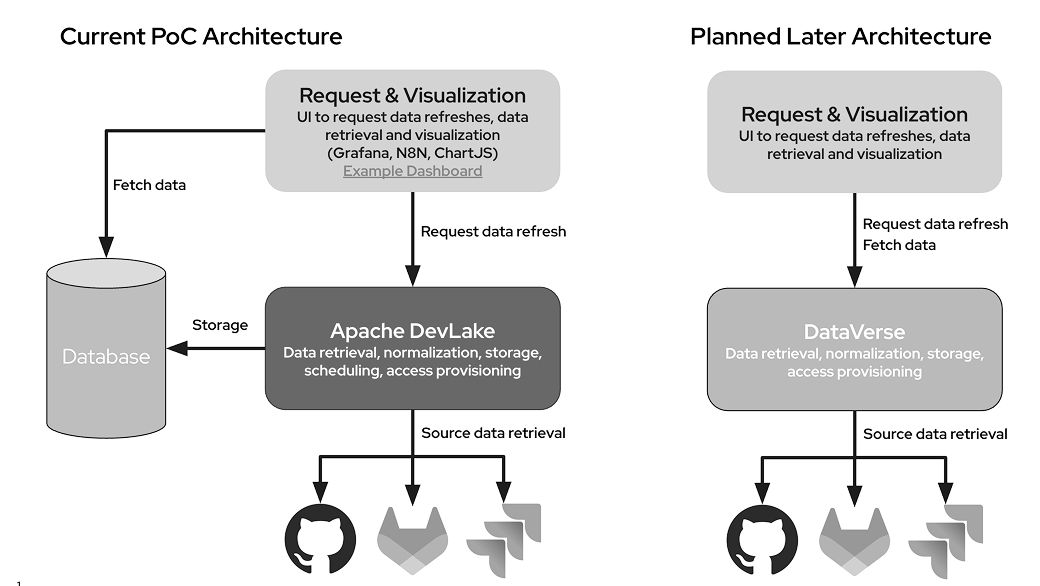
Integration became a key part of the experience strategy because the value of the solution depended not only on interface design, but on how effectively workflows and data could be orchestrated behind it.
- Initial exploration used Claude Code as a baseline
- Shifted to Cursor to accelerate early visual exploration and iteration speed
- After validation, standardized back to Claude Code to align with engineering workflows and ensure consistency across UI patterns and prototype delivery
My team and I evaluated two approaches. n8n provided a flexible model for customizing workflows and pulling data in ways that better supported the intended new experiences for our Unified Operational Intelligence. Grafana offered existing widgets and dashboard capabilities, but it proved limiting when we needed more control over tailored interactions and more flexibility in shaping the overall experience.
Through testing, it became clear that n8n.io provided the stronger path forward. Moving away from Grafana allowed us to establish a more modern and adaptable integration model, with better performance characteristics and greater ability to support the type of experience the organization needed.
Validation
I tested both models through AI-enabled rapid prototyping and stakeholder evaluation. Clear patterns emerged:
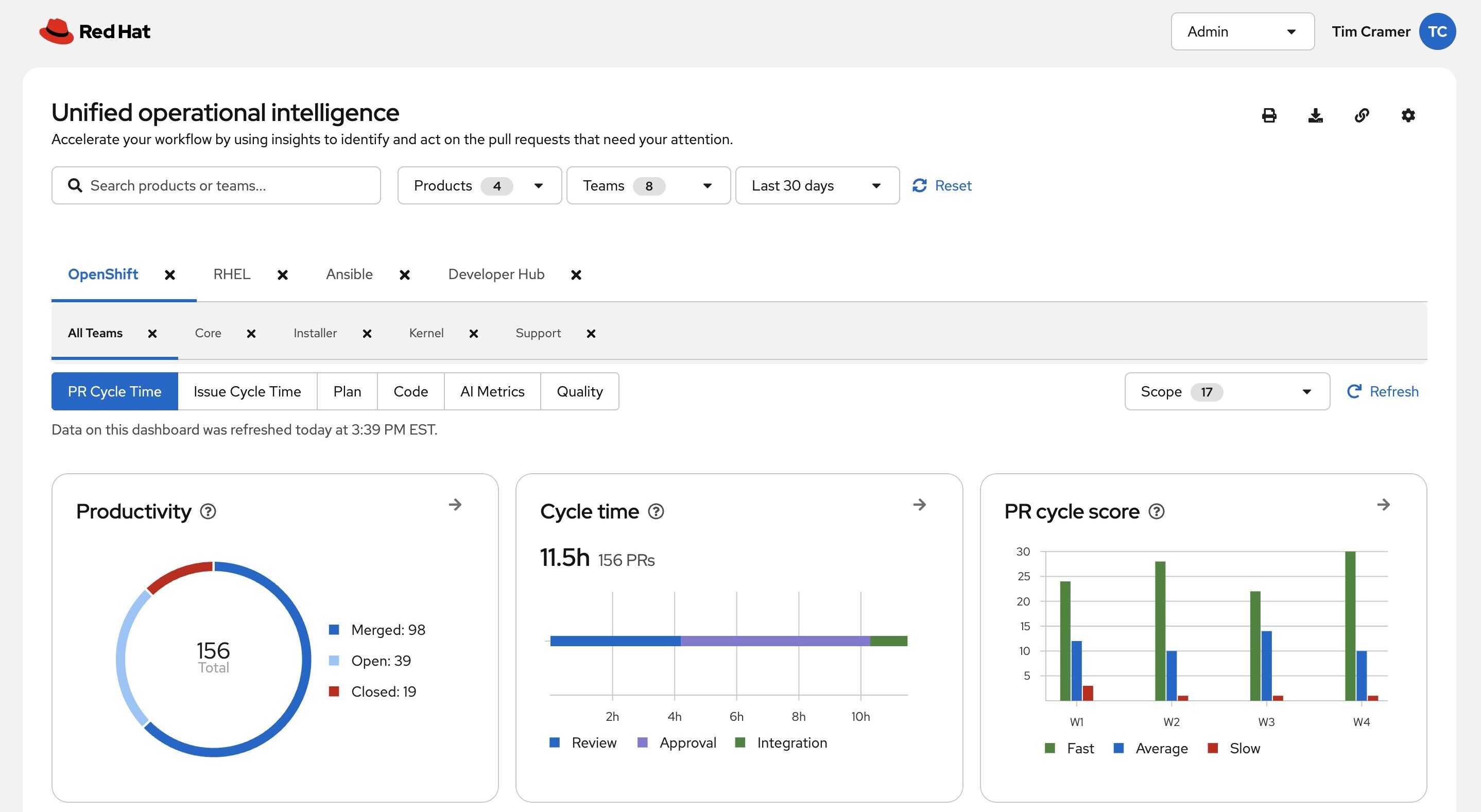
- Senior leadership consistently prioritized product-level visibility, efficiency signals, and cross-team comparison
- Contributors and team leads prioritized team-level clarity, consistency, and actionable insights within their workflow
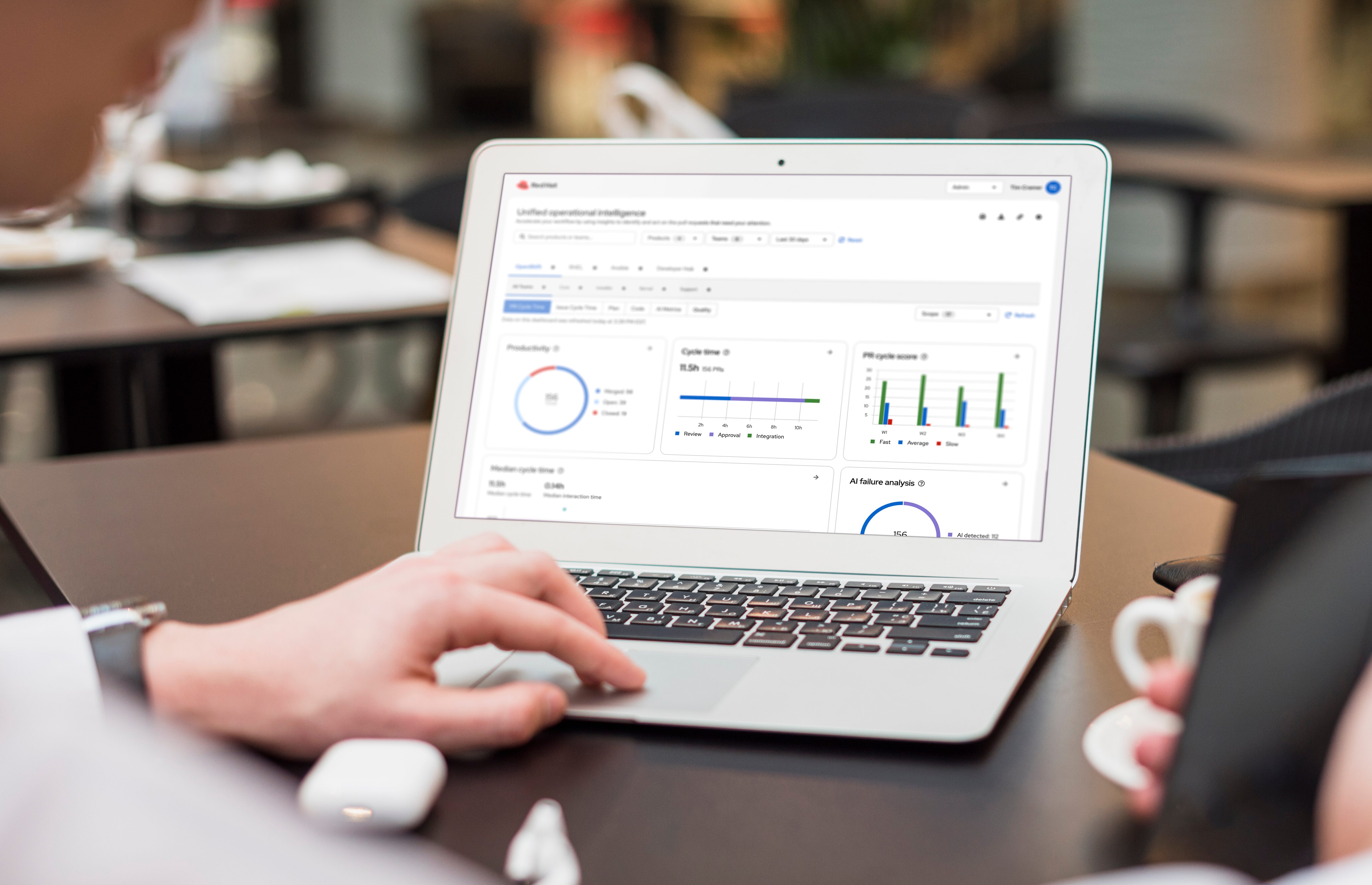
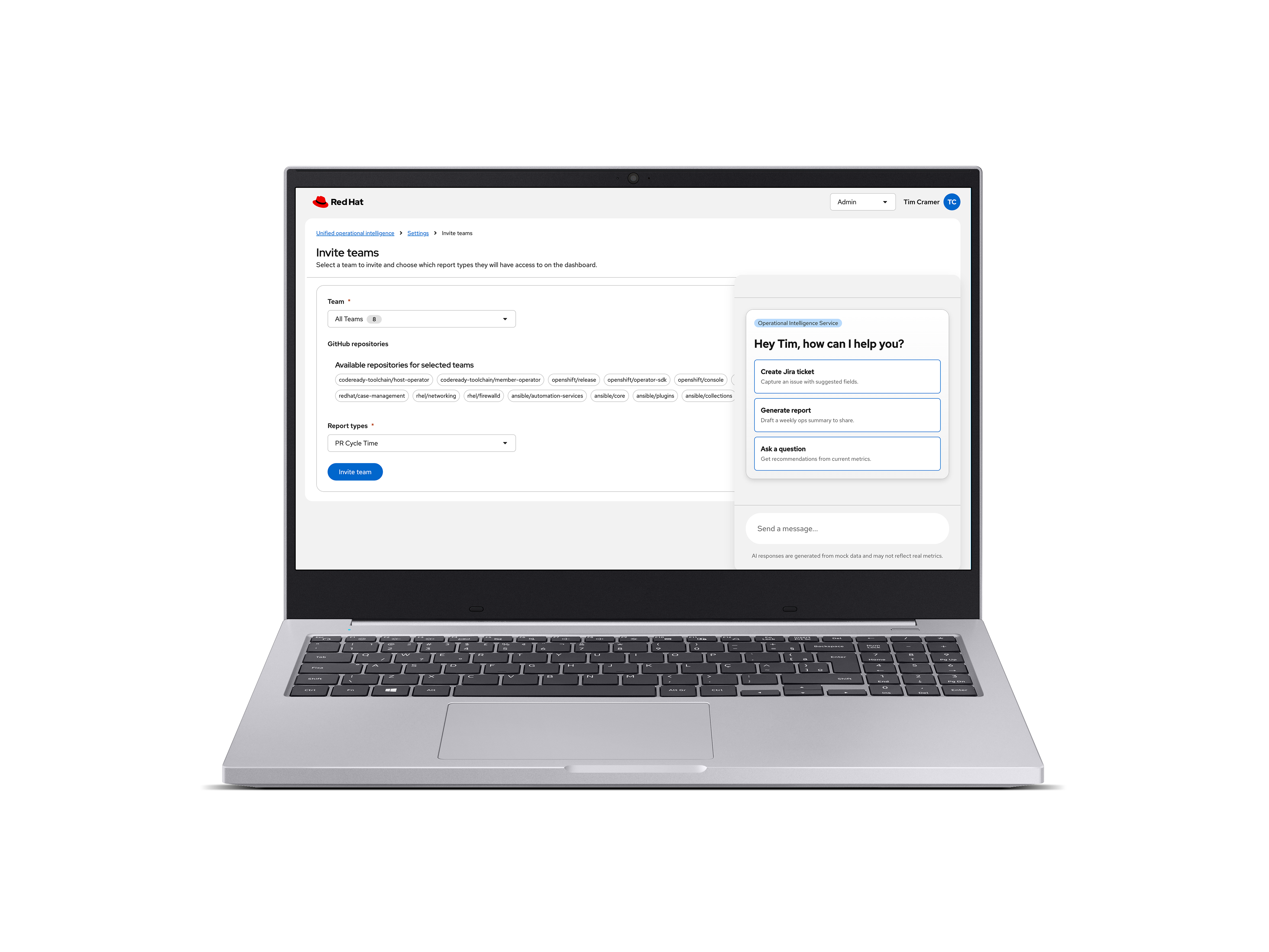
Admin view
Contributor