


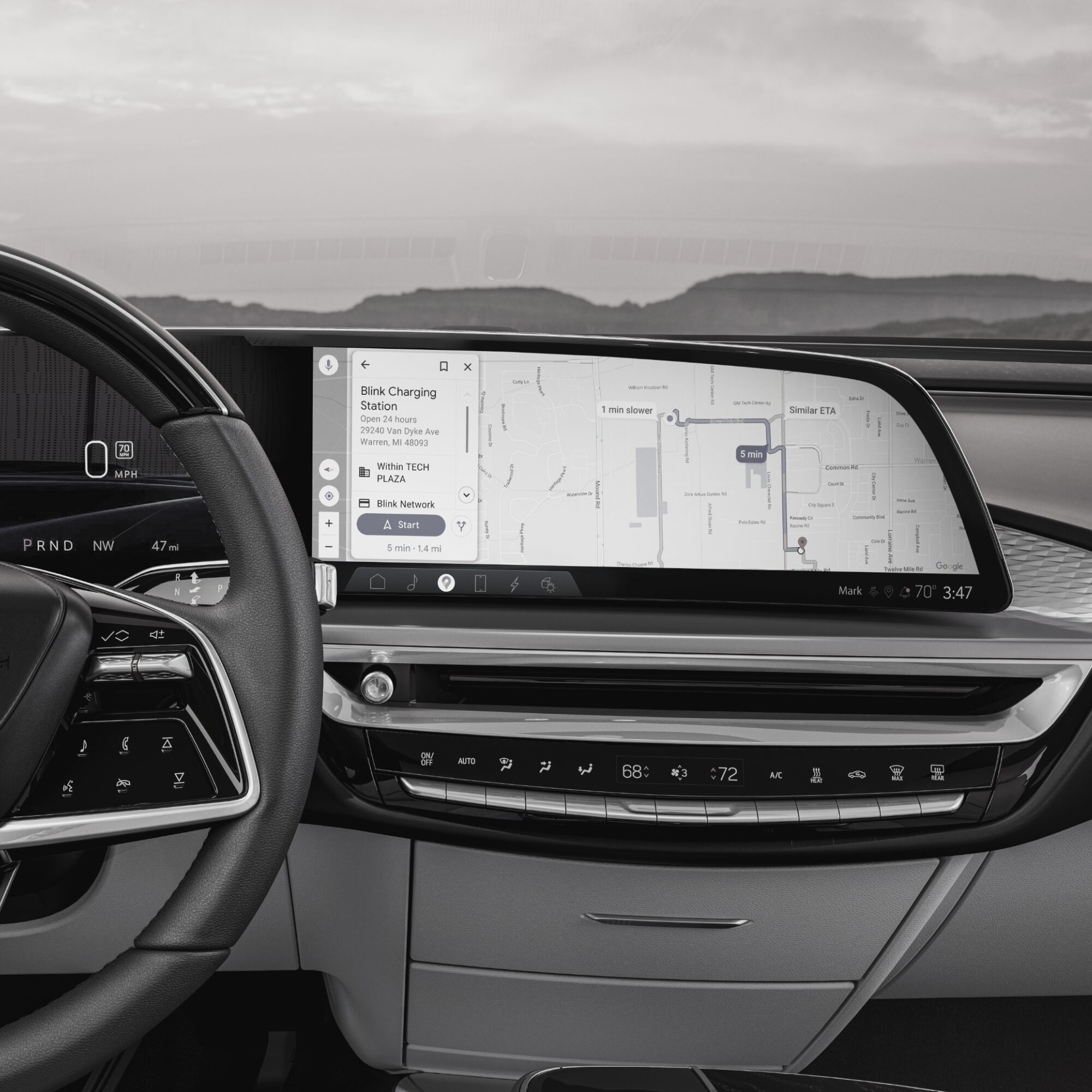
GM route optimization
| UX Lead – General Motors | 2022 – 2023
OVERVIEW
This initiative focused on shaping GM’s future route optimization service for commercial fleets as they moved toward electrification.
As delivery operations became more complex, fleet customers needed a smarter way to coordinate vehicles, hubs, drivers, and charging constraints without compromising uptime. I led the experience direction for an AI-powered solution designed to simulate and predict more efficient routes, reduce operational friction, and support safer, more sustainable fleet performance.
The proposed service aimed to cut idling by 10%, reduce wait times by 5%, and lower fuel and energy usage by 7%, while creating a stronger path for EV adoption across longer and more demanding routes.
Challenge
As commercial fleets move towards electrification, managing deliveries becomes more complex. Multiple touchpoints, such as vehicles, hubs, and drivers, need to work together seamlessly to ensure on-time deliveries, as downtime is costly.
To address EV range anxiety and charging concerns, we needed a solution that is easy to use, optimizes routes for large fleets, accelerates EV adoption for longer routes, and outperforms competitors like Samsara. By developing an in-house AI-powered system, GM aimed to help fleet customers maximize uptime, improve efficiency, and maintain a continuous flow of deliveries.
My Role
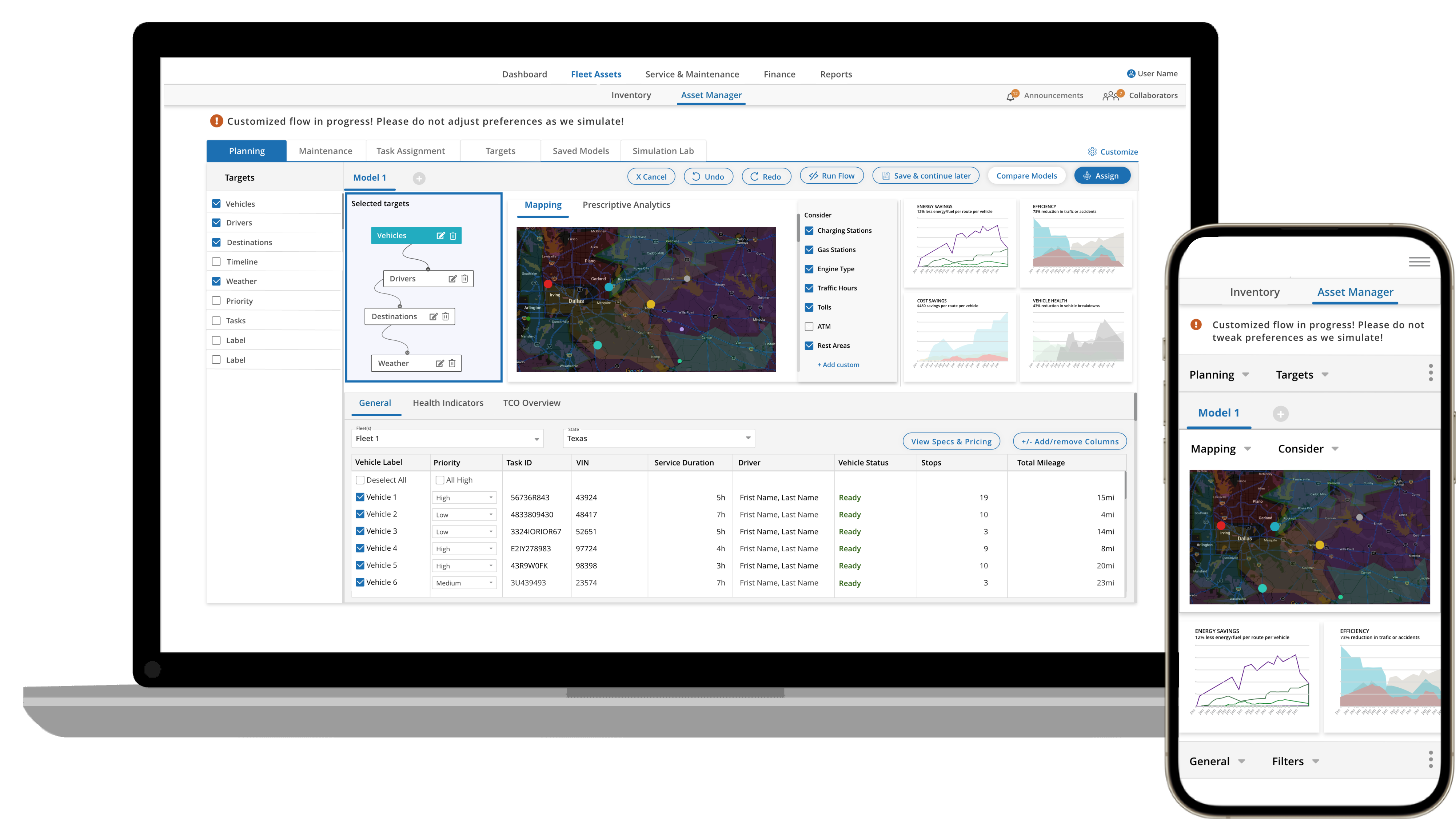
As Lead UX Designer for GM’s future route optimization service solution, I led the experience strategy and design direction for an AI-powered solution that predicted and simulated the most efficient routes for drivers.
I approached the work as both a systems and future-mobility challenge, focusing on how to reduce operational friction, improve route efficiency, and support electrification without making the experience harder for fleet managers or drivers to trust and use.
By shaping a design direction grounded in real-world delivery constraints such as traffic, weather, charging availability, and stop sequencing, I defined a more intelligent and scalable experience model that supported safer operations, smarter resource use, and stronger readiness for sustainable fleet

Let’s dig in!
DiscoveR
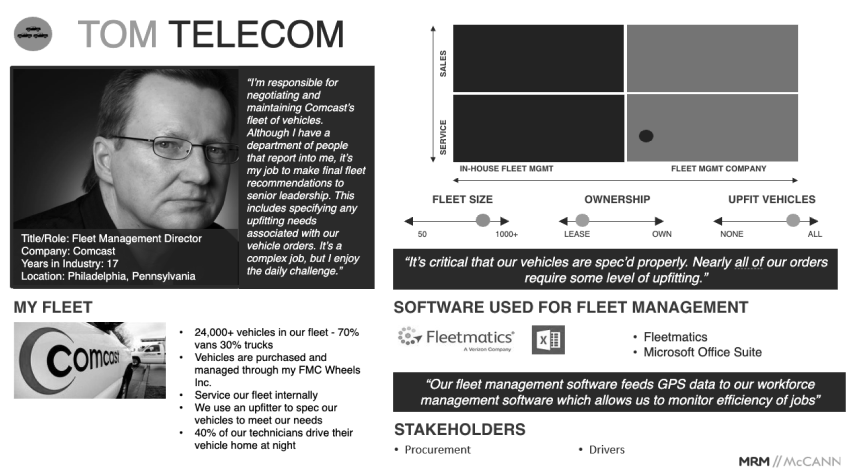
I worked closely with the Global Innovation | R&D and Brightdrop teams, using research insights and best practices to test and refine our assumptions. This partnership was key to developing a design strategy and an ideal customer journey that combined advanced predictive analytics with a focus on user simplicity and experience.
Our research revealed that successful EV adoption depends on overcoming challenges like range anxiety, charging times, and charging infrastructure availability, especially for businesses with long routes. These issues are further complicated by the limited variety of EV models, particularly for trucks and specialized vehicles.
My fleet isn’t structured for electrification, and we operate at a speed that isn’t friendly to electric vehicles. Our vehicles log over 150 miles daily, and our tow trucks run even more. I’m not convinced electric vehicles would be the right fit, as I have concerns about range, charging times, and the availability of supporting infrastructure. – Customer
UX STRATEGY
The strategy focused on defining a route optimization experience that could do more than improve efficiency in the moment. It needed to support broader fleet transformation by helping customers understand where electrification was viable, where risk existed, and how operational decisions could be made with greater confidence.
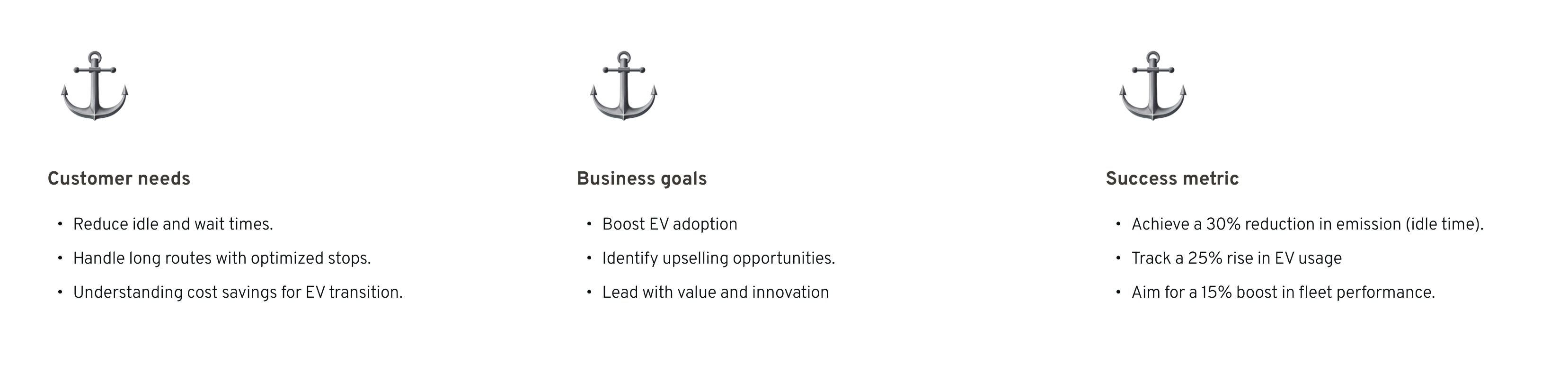
This meant focusing on:
- reducing route inefficiencies across complex fleet operations
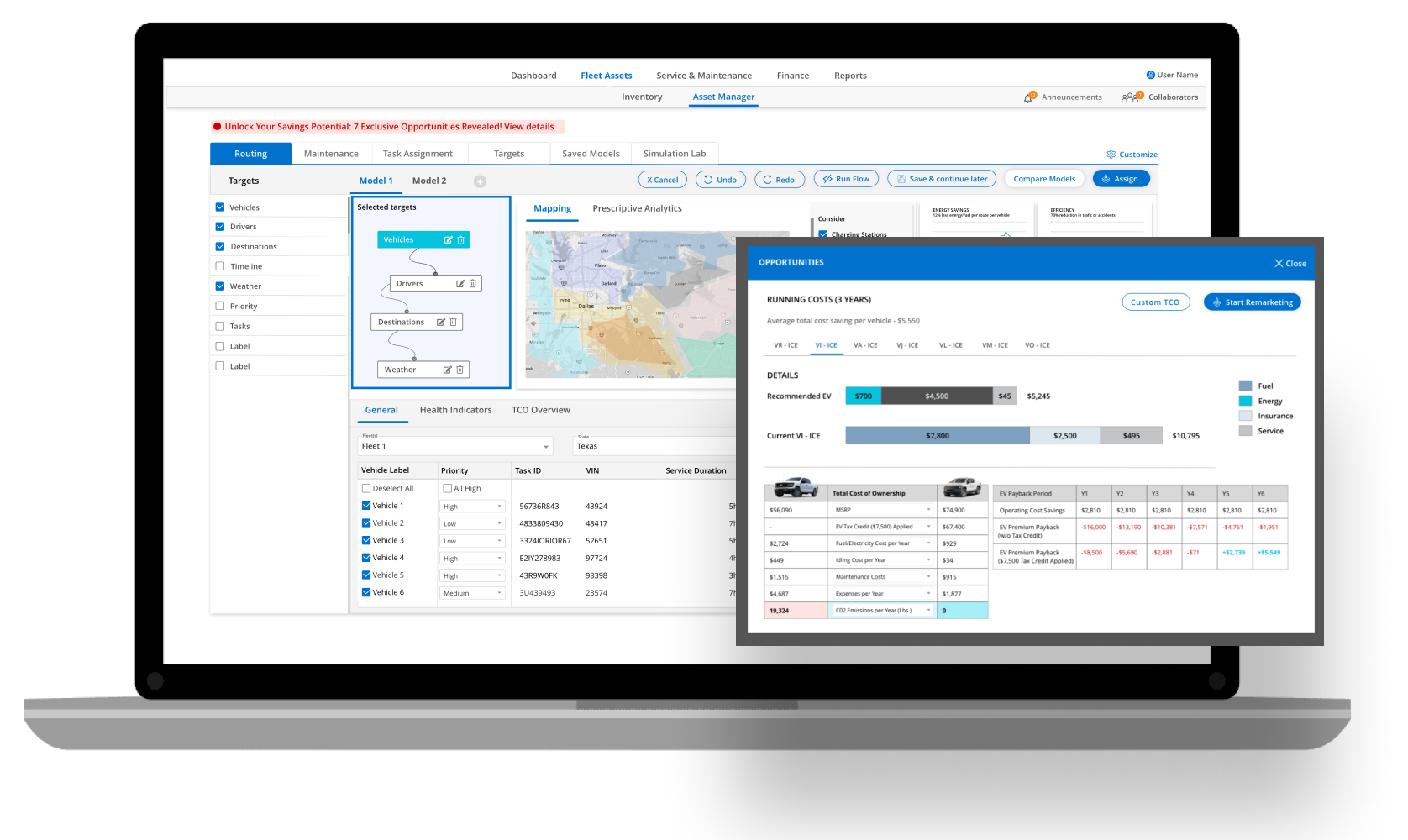
- identifying where EVs could realistically replace ICE vehicles
- using predictive logic to support safer, more proactive decision-making
- creating a clear and simple experience despite the complexity behind the system
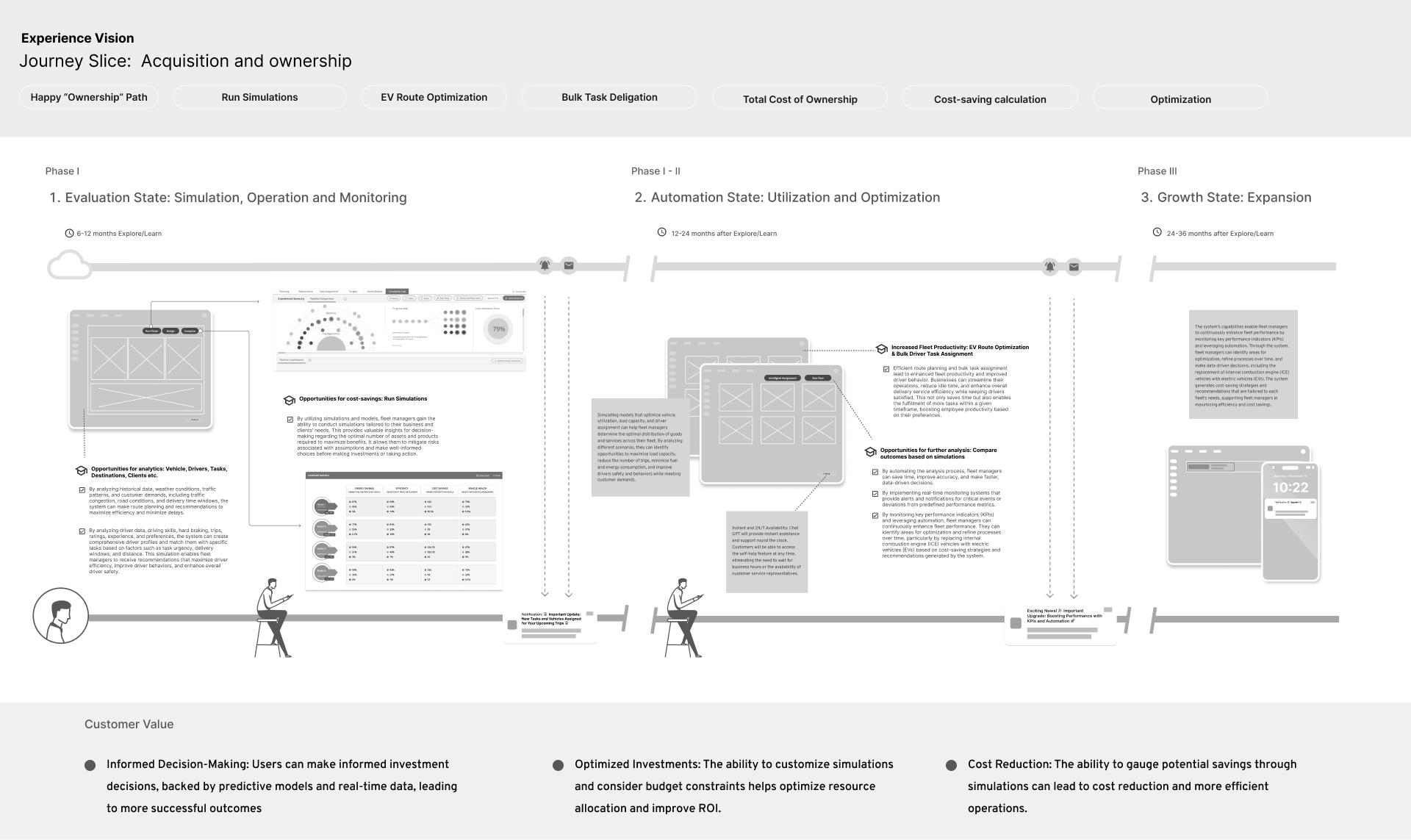
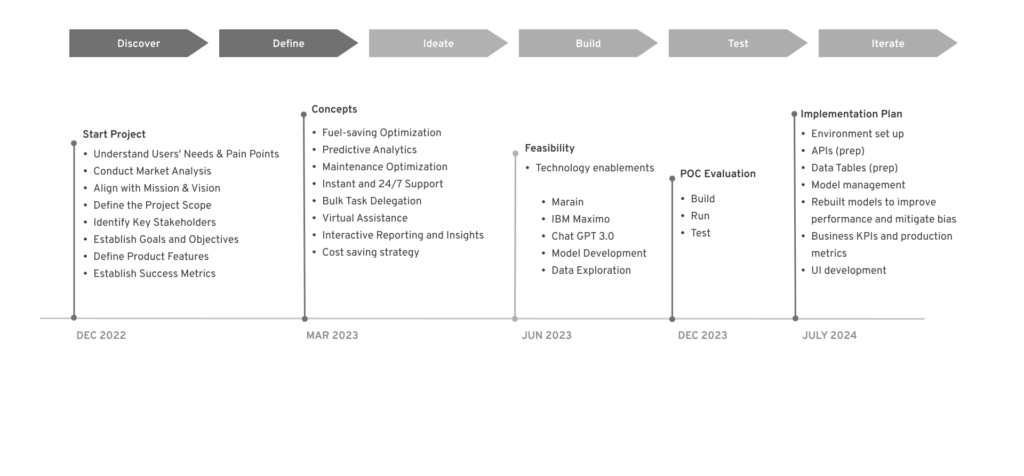
From that foundation, I shaped a plan-on-a-page that positioned the concept as more than a routing tool. It became a differentiated value proposition that combined route optimization, operational efficiency, and fleet readiness for electrification into one forward-looking service model.
Design & testing
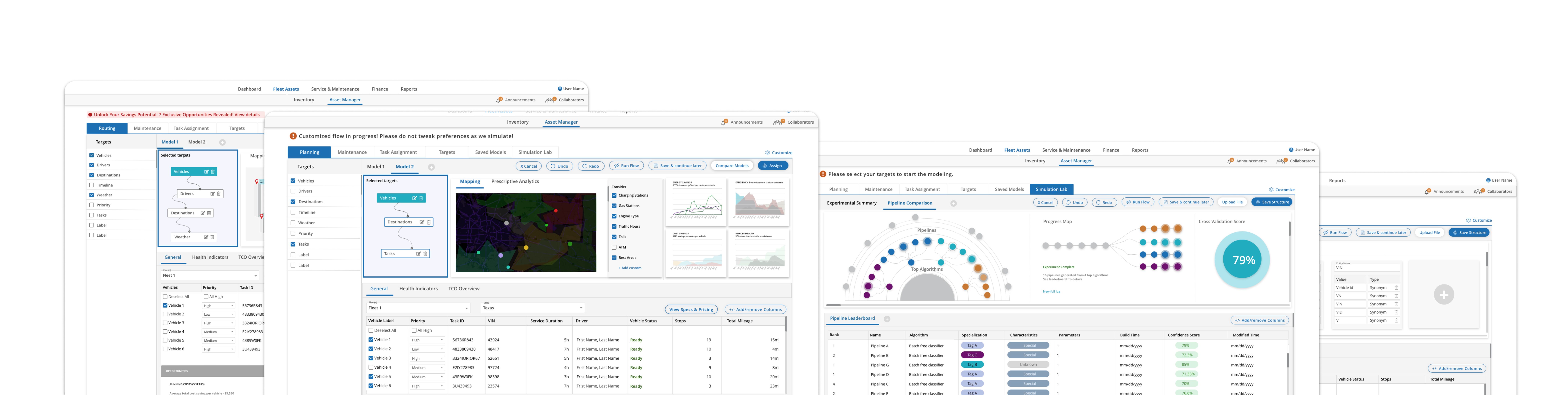
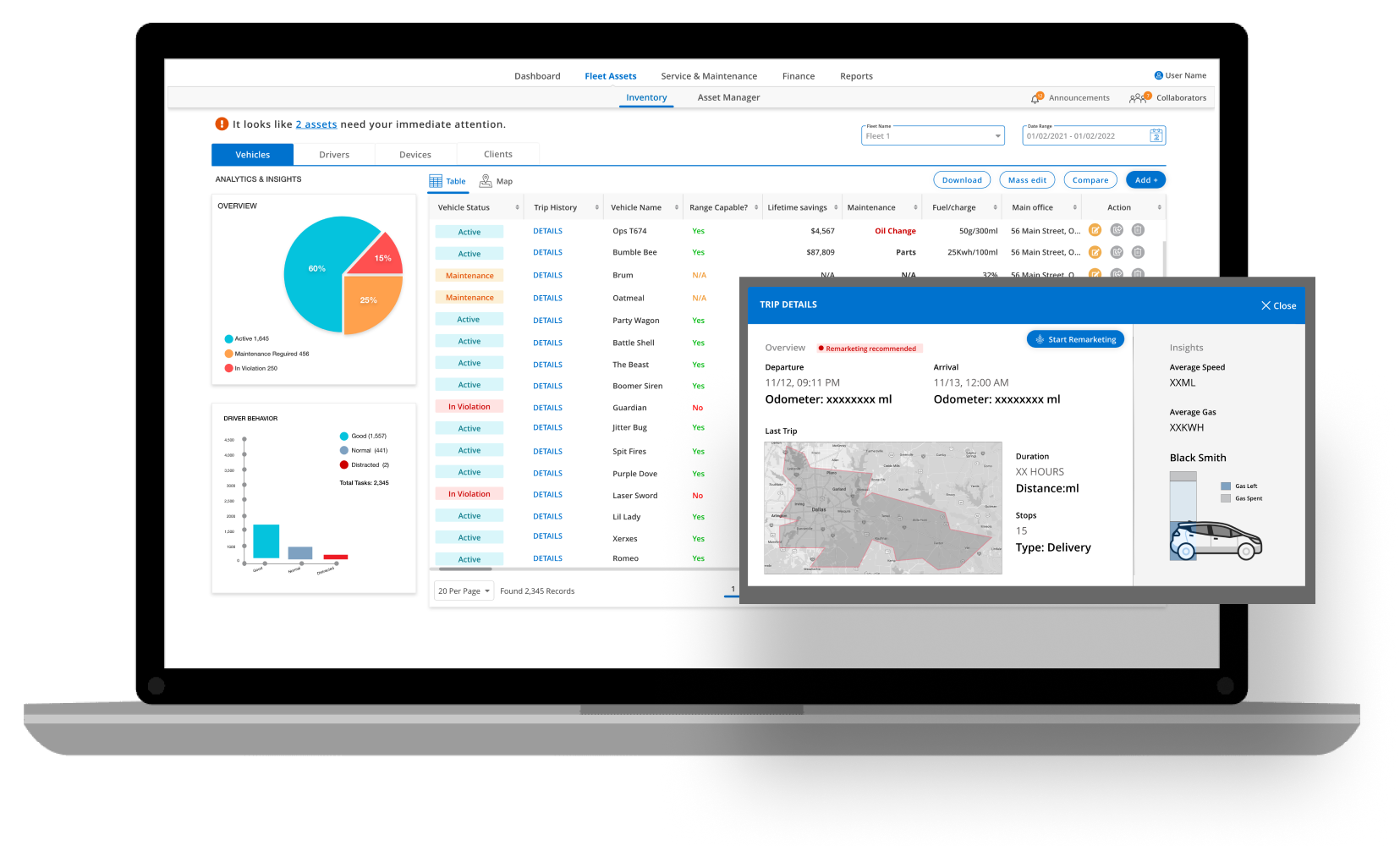
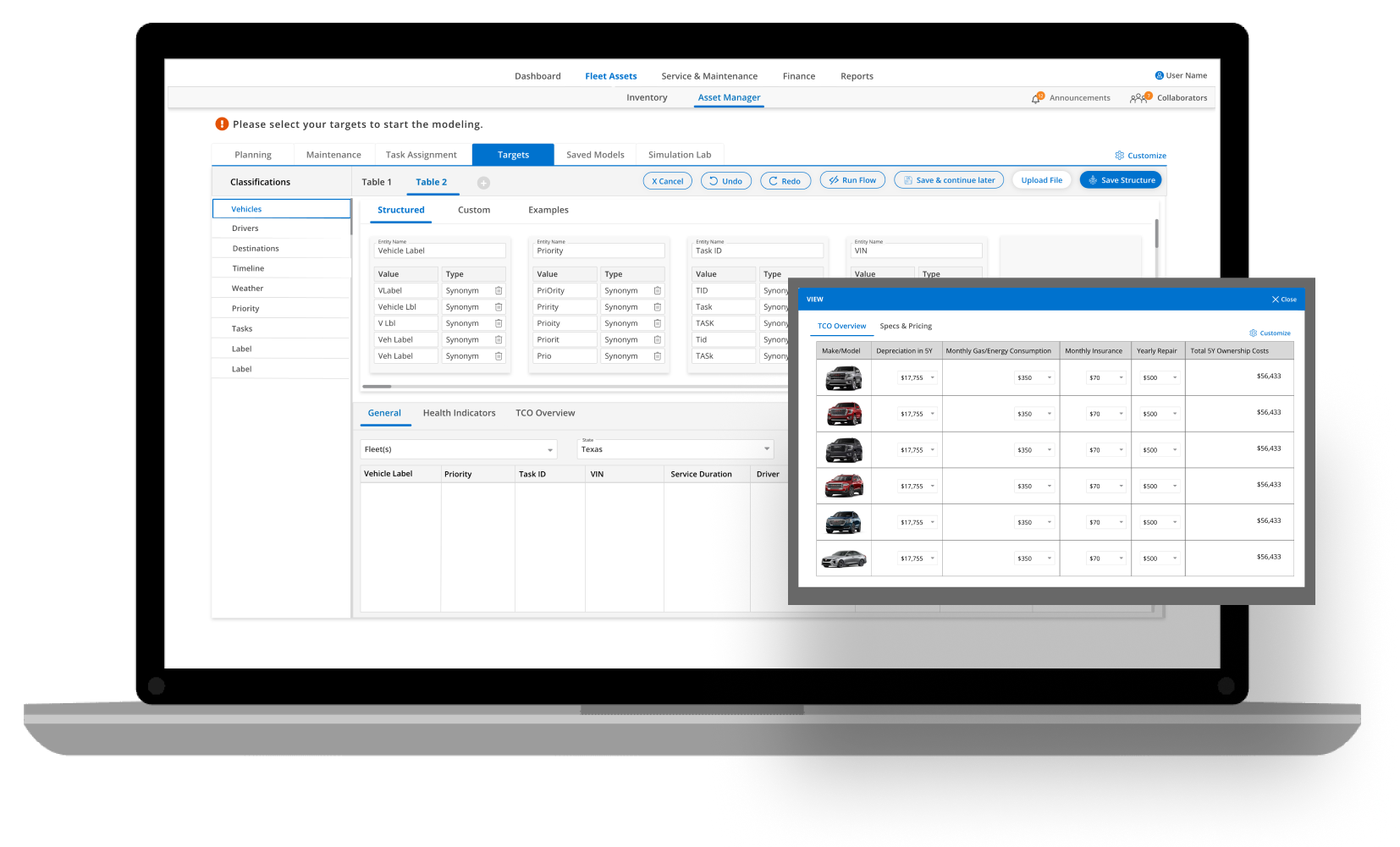
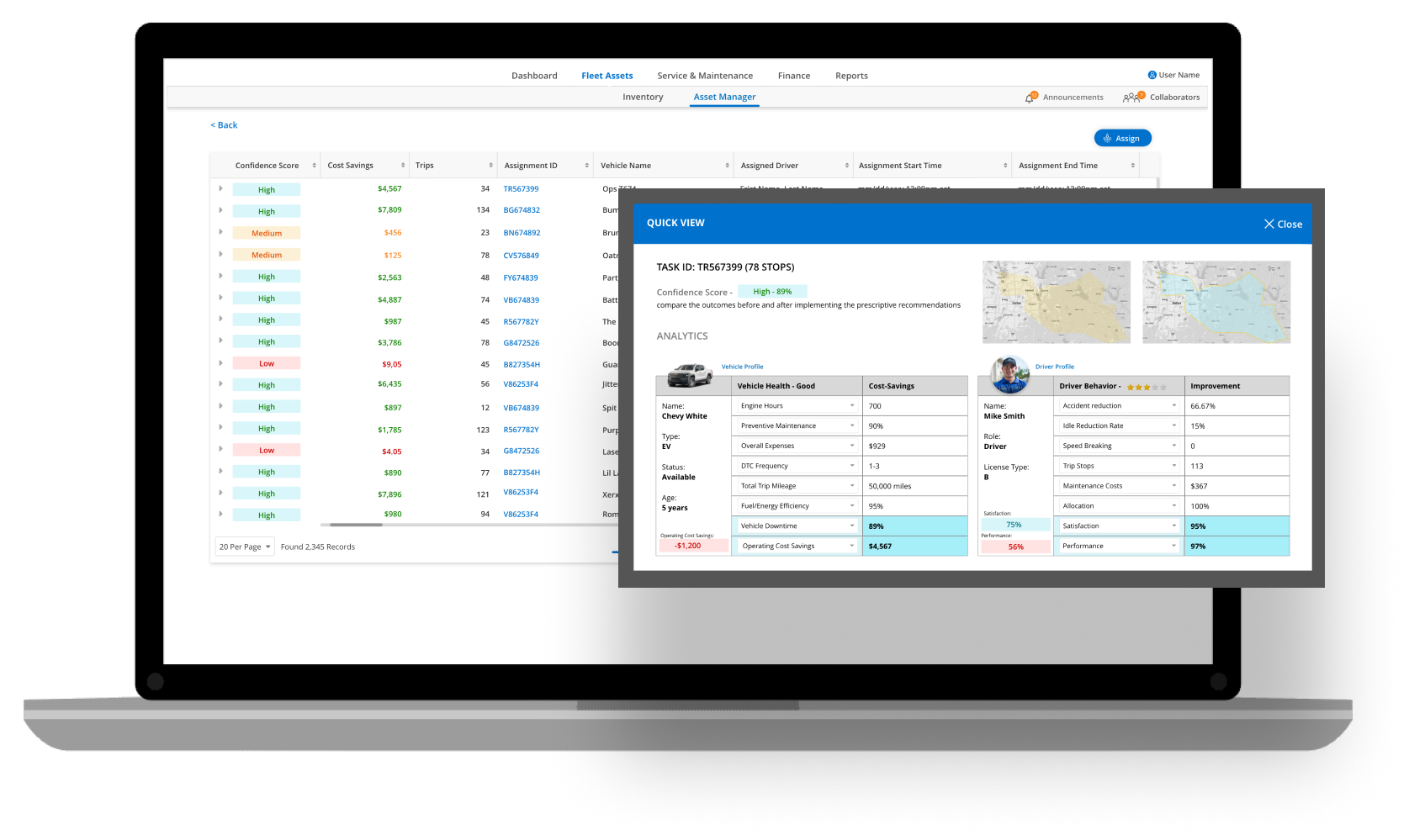
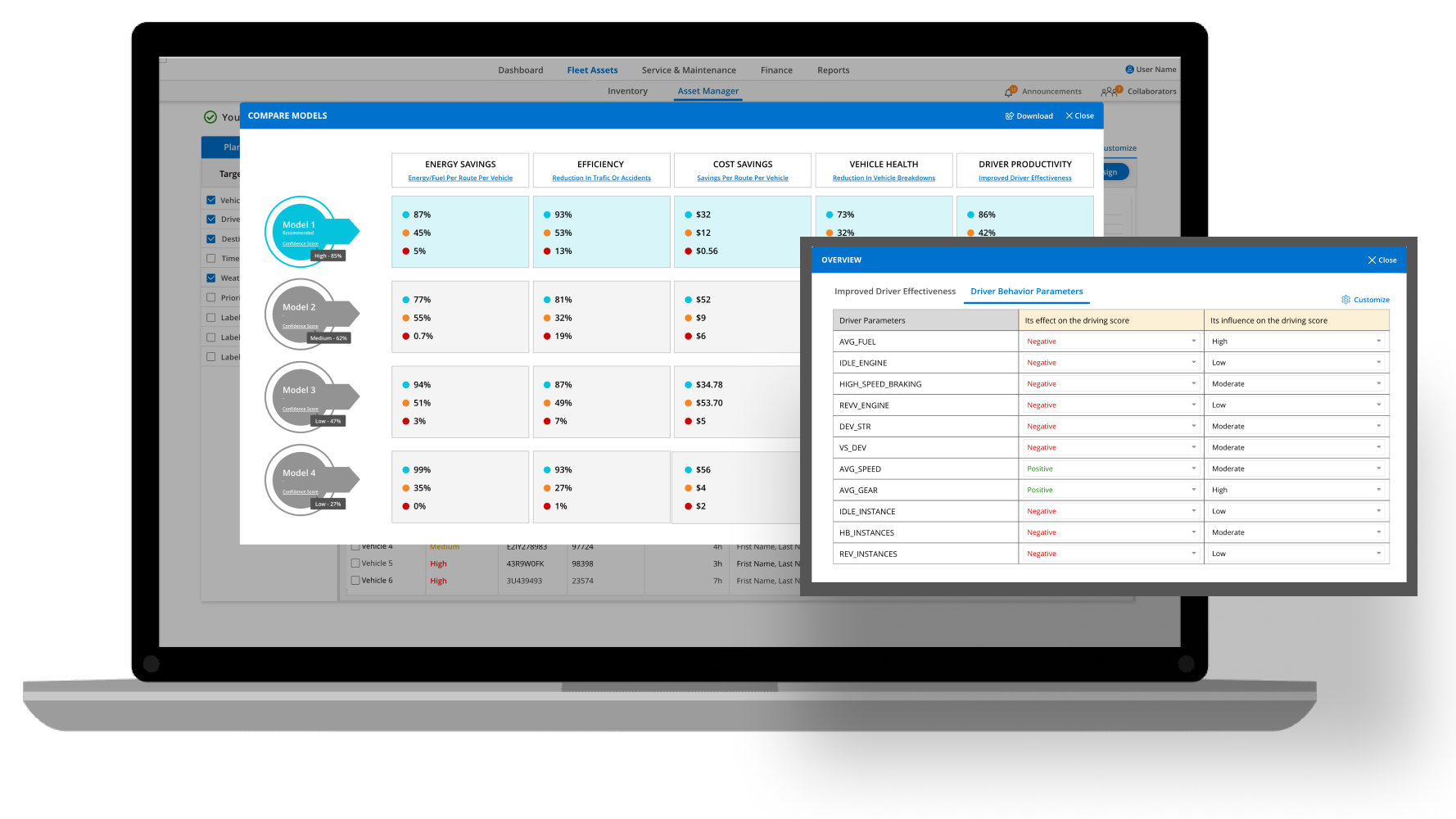
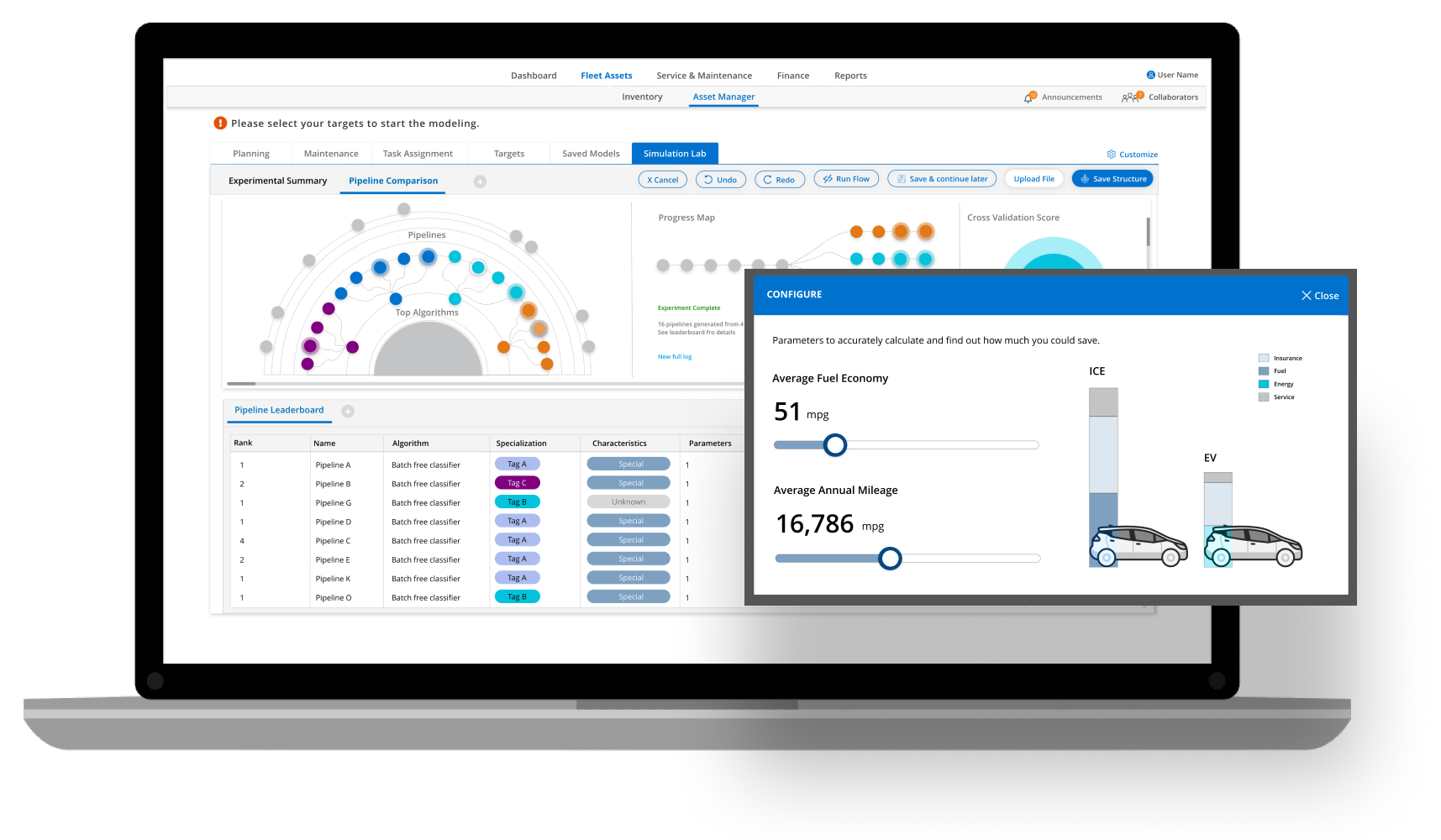
I initially developed a pilot solution focused on optimizing routes and enhancing driver satisfaction and safety, potentially positioning GM as a leader in the industry. However, due to data inefficiencies and legacy system issues, the pilot struggled to evolve as intended. Recognizing these challenges, we shifted our focus to establishing robust data lakes and client profiles. This move was crucial to restarting the project on a more solid foundation, allowing us to address the previous shortcomings and continue our mission of delivering a sophisticated, user-friendly product that meets both operational needs and sustainability goals.
IMPACT
The initiative established a stronger strategic foundation for GM’s future route optimization vision by clarifying the operational requirements, customer barriers, and experience principles needed to support electrified fleet operations.
The proposed direction aimed to:
- reduce idling by 10%
- reduce wait times by 5%
- lower fuel and energy usage by 7%
- support safer and more efficient driver operations
- create a stronger path for EV adoption across long-route fleet environments
Just as importantly, the work surfaced critical infrastructure gaps early, allowing the team to redirect efforts toward the data foundations required for a more scalable and credible solution.